
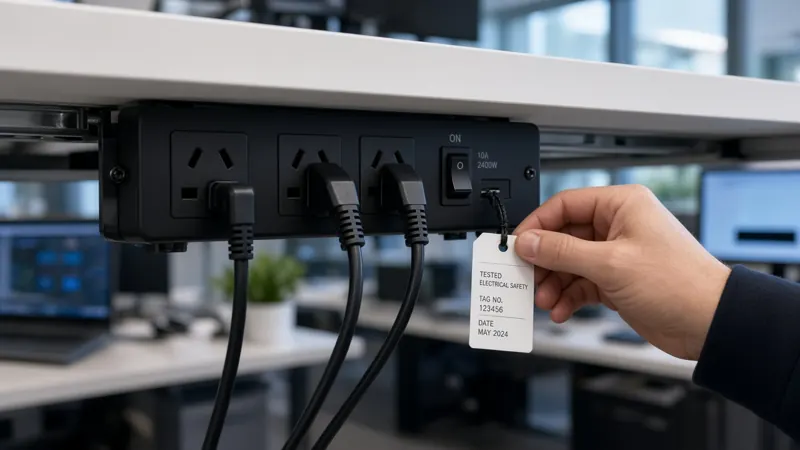
Offices
Minimal-disruption testing for IT gear, monitors, kitchen appliances and leads.
Typical retest: 12 months for items that get moved, 5 years for desktop gear that never moves.
Local testing and tagging to AS/NZS 3760:2022 (incl. Amd 1). Based around Lilydale and Ringwood, covering the outer east, outer Melbourne, wider Melbourne and the city.
Offices: minimal-disruption testing for IT gear, monitors, kitchen appliances and leads.
Schools: classrooms, staff rooms and laptop trolleys, with a register in the fields the Department of Education asks for.
Rentals and property: furnished rentals, residential-type buildings, common areas and hire gear.
Factories and workshops: 3-phase machinery, power tools and industrial extension leads.
Aged care: everyday items in residential and staff areas, like extension leads, power boards, lamps and kettles.
Flat rates: $6 per tag, no minimum and no call-out fee. Travel is free for local jobs.
Text this quote to Cody Or call 0435 811 036You don't need to pick a time. Cody replies with a date: "We'll be there on [date] at [time]". If it doesn't suit, you change it. Cody starts on site from 10:00 am. He's happy to take calls earlier in the morning and to work later hours.
Minimal-disruption testing for IT gear, monitors, kitchen appliances and leads.
Typical retest: 12 months for items that get moved, 5 years for desktop gear that never moves.
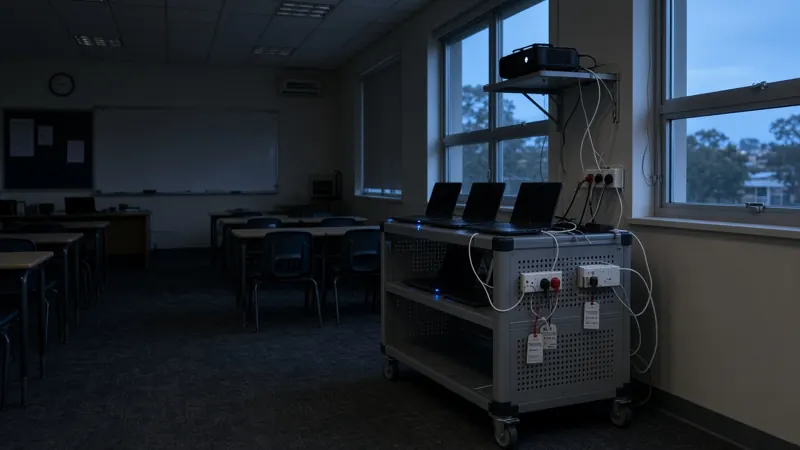
Classrooms, staff rooms, laptop trolleys and workshops, with a register that matches the Department of Education's fields.
Typical retest: 12 months for classroom items, 6 months for workshops.
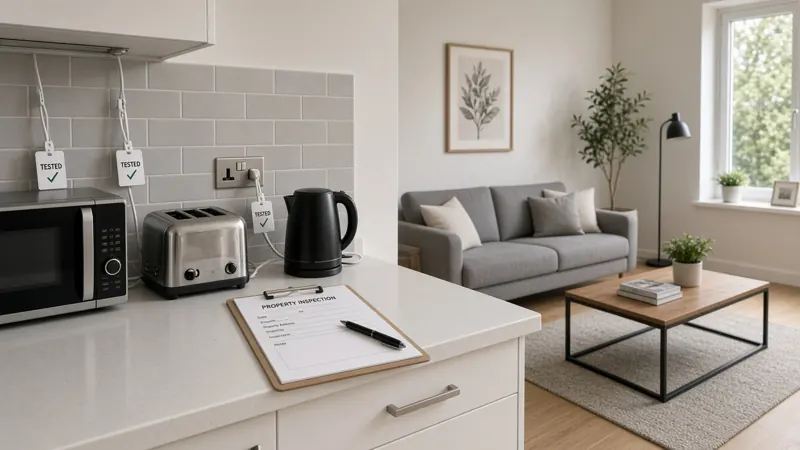
Furnished rentals, residential-type buildings, common areas and hire equipment.
Typical retest: 2 years for residential-type areas, 3 months for hire gear.
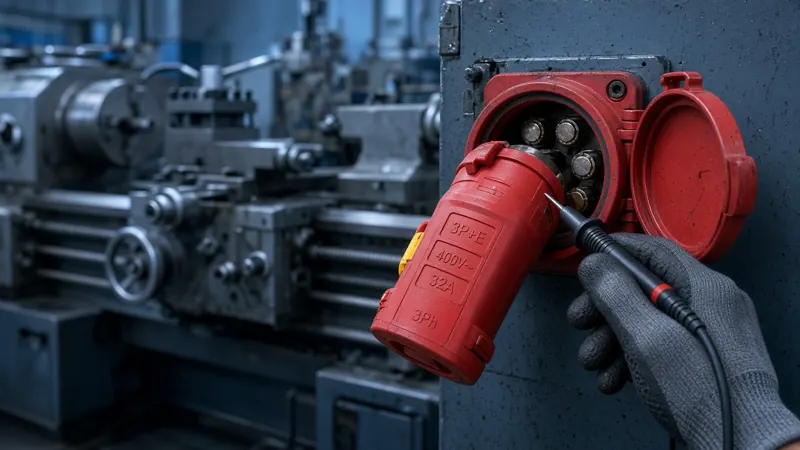
3-phase machinery and industrial extension lead verification.
Typical retest: 6 months.
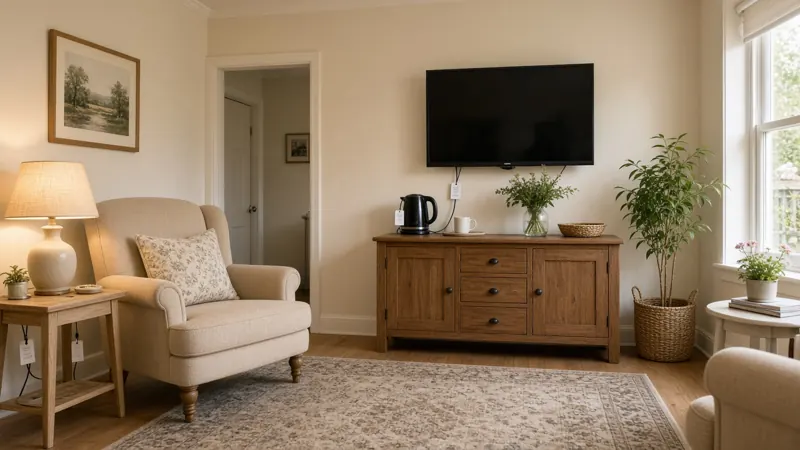
Everyday items in residential and staff areas: extension leads, power boards, lamps, kettles and similar, tested to AS/NZS 3760.
Typical retest: 2 years for residential-type areas.
Pick where the equipment is used. Intervals are indicative: a documented risk assessment can change them.
The calendar file reminds you a month and a week before. Nothing is sent to anyone.
Tap any part of the tag to see what it means.
Every tag has to tell you who tested the item, when, when it's due again, and which standard was used.
A few things that make the day quicker. Pick your site type for extra tips.
Safety comes from the electrical earth connection. Each item gets a visual check, an earth continuity test (1 Ω or less) and an insulation resistance test (1 MΩ or more) or a leakage current test (5 mA or less). Continuity alone isn't a pass.
Safety comes from reinforced insulation, so there's no earth to test. Each item still gets a visual check and an insulation resistance or leakage current test (1 mA or less).
Extension leads and power boards get polarity and continuity checks. RCDs get two kinds of test: the push-button test done by the user, and the trip-time test done with an RCD tester. A 30 mA RCD must trip within 300 ms.
Limits as commonly published for AS/NZS 3760:2022.
General information, not legal advice
Victoria runs the Occupational Health and Safety Act 2004 and OHS Regulations 2017 (it isn't a "harmonised WHS" state). Victorian employers have a duty under the OHS Act 2004 to keep electrical equipment safe. Testing and tagging to AS/NZS 3760:2022 is the recognised way to show you're doing it.
WorkSafe Victoria: electrical safetyTest and tag needs a competent person, not necessarily an electrician. The usual evidence is the national unit UEERL0003. Repairs are electrical work: Cody tags out failed items and refers repairs to a licensed electrician.
training.gov.au: UEERL0003Who tested it (the person and the business), the test date, the retest date and a reference to AS/NZS 3760. The tag must be durable, legible, non-reusable and non-metallic. Colours are optional. New equipment that hasn't been tested gets a "new to service" tag.
WorkSafe Victoria points out that a tag doesn't necessarily mean the equipment is in good condition. Give it a quick look before each use.
Employers need to keep records of electrical safety maintenance, including testing and tagging, and make them available for review and inspection. Every visit ends with a register of every item tested.
Two tests: the push-button test (by the user) and the trip-time test (by a competent person with an RCD tester; 300 ms limit for 30 mA). How often depends on the site. Use the checker above.
Victorian government schools must use a competent person (a licensed electrician, or someone who has completed UEERL0003) and keep an Electrical Equipment Register: item, location, test date, next test date, pass/fail and tag number.
Department of Education policyAged-care residential areas are a normal AS/NZS 3760 environment. Everyday items such as extension leads, power boards, lamps and kettles are usually retested every 2 years.
Residential-type areas such as hostels and boarding houses: 2 years. Hire equipment: inspect before every hire, test and tag every 3 months. Repaired, serviced or second-hand items: test before they go back into service (a row added in the 2022 edition).
Equipment every 6 months. Portable RCDs get a push-button test daily (or before each use), and a trip-time test every 12 months.
Items that get moved (kettles, chargers, power boards) are "flexed in normal use": 12 months. Desktop gear that's never moved: 5 years.
Sources: WorkSafe Victoria, SafeWork SA (AS/NZS 3760:2022 Table 4), Victorian Department of Education, Standards Australia.
After every visit
No call-out fees. Just $6.00 per tag. No minimum.